
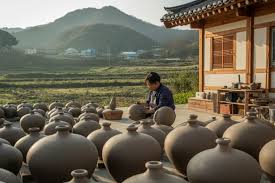

Korean ceramics hold a distinguished place in world art history, representing centuries of refinement, cultural philosophy, and skilled craftsmanship. Within this legacy, Korean pottery stands as a living tradition that reflects harmony with nature, simplicity in design, and deep respect for handcrafted artistry. From ancient kiln sites to modern artisan studios, Korean pottery continues to embody timeless beauty shaped by earth, fire, and human creativity.
What is the historical significance of Korean pottery?
Korean pottery dates back thousands of years, evolving through various dynastic periods that shaped its style and technique. Early pottery was functional, used for storage and daily life, but gradually transformed into artistic expression. During the Three Kingdoms period, ceramics began to show more refined forms and decorative elements. The Goryeo dynasty introduced celadon ware, known for its elegant green glaze and intricate inlay designs. Later, the Joseon dynasty emphasized simplicity, leading to the creation of white porcelain that symbolized purity and restraint. Each era contributed to the rich identity of Korean ceramic tradition.
What makes Korean pottery unique?
Korean pottery is unique because it embraces natural imperfection and understated elegance. Unlike heavily decorated ceramics from other cultures, guide to Korean teaculturepieces often highlight organic shapes, subtle textures, and earthy tones. This aesthetic philosophy values authenticity over perfection, allowing each piece to express individuality. The beauty of Korean pottery lies in its simplicity, where minor irregularities are considered part of its artistic charm. This approach reflects a deep cultural appreciation for nature and impermanence.
How is traditional Korean pottery made?
Traditional Korean pottery is created through a meticulous process that requires patience and craftsmanship. Artisans begin by preparing natural clay, which is shaped using a potter’s wheel or hand-building techniques. Once formed, the pieces are dried and then fired in kilns at extremely high temperatures. The firing process is crucial, as it determines the final color, texture, and strength of the pottery. Some pieces are coated with natural glazes derived from ash or minerals, while others are left unglazed to showcase raw clay surfaces. Each step reflects harmony between human skill and natural elements.
What are the main types of Korean ceramics?
Korean ceramics include several distinct styles that represent different historical periods and artistic philosophies. Celadon ware, known for its jade-green glaze, is one of the most celebrated forms from the Goryeo dynasty. Buncheong ware features a grayish body with playful brushwork and stamped decorations, representing a transitional style between celadon and porcelain. White porcelain, or baekja, became prominent during the Joseon dynasty and is admired for its pure, minimalistic appearance. Each type carries unique artistic and cultural meaning that reflects the values of its time.
Why is Korean pottery important in modern times?
In modern society, Korean pottery continues to hold cultural and artistic importance. It is appreciated not only as functional ware but also as collectible art. Many contemporary artisans blend traditional techniques with modern design concepts, creating pieces that appeal to global audiences. Pottery workshops and cultural centers help preserve these ancient skills while introducing them to new generations. Additionally, the growing interest in slow living and handmade crafts has renewed appreciation for ceramic art as a symbol of mindfulness and sustainability.
Korean pottery remains a powerful expression of cultural identity and artistic philosophy. It connects past and present through materials shaped by earth and fire, reflecting centuries of human creativity and tradition. Each ceramic piece tells a story of patience, balance, and respect for nature. As global interest in handcrafted art continues to grow, Korean teaware guide stands as a timeless example of beauty found in simplicity and imperfection, inspiring both artisans and admirers around the world.